One of the most common questions people ask ChatGPT, their friends, and family, before contacting a family lawyer isn’t about parenting arrangements, property settlements or divorce. Rather the most common questions asked lean into them understanding coercive control and ascertaining when something isn’t right.
The big question you may be asking yourself?
“Am I overreacting?”
If you’ve found yourself searching online for answers, there is a good chance you already know something doesn’t feel right.
Perhaps you feel anxious in your own home.
Perhaps you second-guess your decisions.
Perhaps you constantly find yourself apologising, even when you aren’t sure what you’ve done wrong.
Or perhaps you’ve started wondering whether the relationship you’re in is healthy at all.
If any of this sounds familiar, you are not alone.
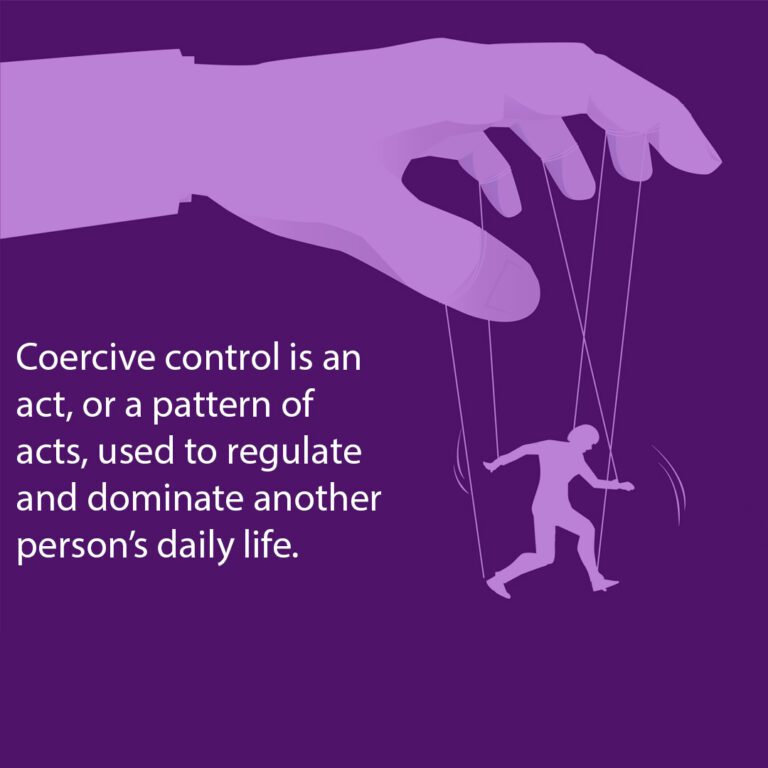
Table of Contents
The Problem With Understanding Coercive Control
Many people think domestic violence only involves physical violence.
It doesn’t.
Some of the most damaging relationships involve little or no physical violence at all.
Instead, control is exercised through fear, manipulation, isolation, intimidation and domination.
This is often referred to as coercive control.
Coercive control is not usually one dramatic incident.
It is a pattern of behaviour that slowly changes how you think, act and feel.
Over time, you may begin to:
- Question your own judgment.
- Lose confidence in yourself.
- Feel isolated from friends and family.
- Avoid doing things that might upset your partner.
- Feel responsible for your partner’s emotions.
- Believe you are the cause of every argument.
The result is often a relationship where one person’s needs, wishes and control become more important than the other’s freedom and wellbeing.
Understanding Coercive Control – the Signs Something May Not Be Right
Not every unhealthy relationship involves coercive control.
However, certain patterns commonly appear.
You may be experiencing coercive control if your partner:
- Monitors your spending or controls all financial decisions.
- Checks your phone, emails or social media accounts.
- Tracks your location or demands constant updates about where you are.
- Discourages or prevents contact with friends and family.
- Makes you feel guilty for spending time with others.
- Frequently accuses you of lying, cheating or being disloyal.
- Threatens to leave, harm themselves or take the children if they don’t get their way.
- Uses intimidation, anger or silent treatment to punish you.
- Makes you feel afraid of their reaction.
- Constantly criticises, belittles or undermines you.
Importantly, many people experiencing coercive control do not describe themselves as being afraid.
Instead, they say things like:
“I just don’t want to upset them.”
“I know how they’ll react.”
“It’s easier not to argue.”
“I’ve learned what not to do.”
These statements can be signs that control has become a normal part of the relationship.
Why Do I Feel Like Everything Is My Fault?
This is one of the most common experiences reported by victims of coercive control.
Over time, many people begin to believe they are the problem.
You may find yourself thinking:
- Maybe I’m too sensitive.
- Maybe I’m expecting too much.
- Maybe I should try harder.
- Maybe I’m causing the arguments.
When someone repeatedly blames you for their behaviour, dismisses your concerns or tells you that your perception of events is wrong, it can cause you to lose confidence in your own judgment.
Eventually, you may stop trusting yourself altogether.
If It Was Really That Bad, Wouldn’t I Just Leave?
Not necessarily.
This is another common misconception.
Many intelligent, capable and successful people remain in controlling relationships for years.
There are many reasons why:
- You still love the person.
- You remember who they were at the beginning of the relationship.
- You hope things will improve.
- You share children together.
- You are financially dependent.
- You are worried about what will happen if you leave.
- You are afraid nobody will believe you.
Leaving a controlling relationship is rarely a simple decision.
The fact that you have stayed does not mean what happened was acceptable.
Do I Need Permission To Leave?
No.
You do not need to prove that your relationship is “bad enough.”
You do not need a judge, lawyer, family member or friend to validate your decision.
You are allowed to leave a relationship because you are unhappy.
You are allowed to leave because you feel unsafe.
You are allowed to leave because you no longer want to be treated the way you are being treated.
Many people spend years trying to determine whether their circumstances justify leaving.
Often, the better question is:
“Would I want somebody I love to be treated this way?”
If the answer is no, that answer may tell you more than any legal definition ever could.
Trust What You Are Feeling
If you find yourself constantly anxious, walking on eggshells, questioning your reality or wondering whether what you are experiencing is normal, those feelings deserve attention.
Healthy relationships are not built on fear.
Healthy relationships do not require one person to surrender their independence, identity or sense of self.
If something feels wrong, it is worth exploring why.
And if you decide the relationship is no longer right for you, you do not need anyone’s permission to choose a different future.
Want more information to improve your understanding coercive control?
If you would like more information in relation to coercive control, check out our articles:
- Coercive control finally criminalised in Queensland
- how to fight for custody with a narcissist
- Understanding the long term impacts of narcissistic abuse
When Should I Seek Legal Advice?
If you are considering separation, have concerns about your safety, are worried about your children or need advice about your legal options, obtaining advice early can help you understand your rights and make informed decisions.
Every situation is different.
Contact us to speak with one of our experienced family lawyers can provide clarity, support and practical guidance about the steps available to you moving forward. Your safety and the safety of your children is priority.